S-Acetyl-L-Glutathione (SAG): A Promising Compound for Liver Health Protection
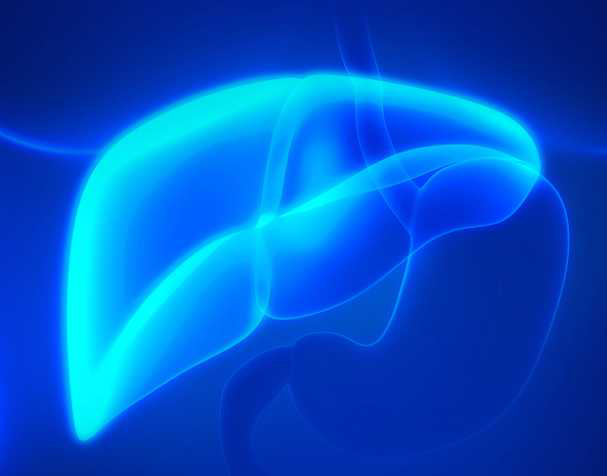
The liver serves as the body's central metabolic organ, performing critical functions including detoxification, synthesis, and metabolism.
Due to chronic exposure to toxins, inflammation, and oxidative stress, the liver is susceptible to injury, fibrosis, and even progression to cirrhosis.
S-Acetyl-L-Glutathione (SAG), a stable precursor of glutathione (GSH), has emerged as a research focus in hepatoprotection through its unique mechanisms of action.
Distinct Advantages of SAG
Glutathione is the liver's endogenous core antioxidant, capable of neutralizing harmful reactive oxygen species and mitigating oxidative damage.
However, direct oral administration of GSH suffers from poor stability and low bioavailability.
Following acetylation modification, SAG demonstrates substantially enhanced plasma stability, enabling efficient passage through the intestinal wall and cell membranes.
Once inside hepatocytes, SAG is rapidly converted to active GSH, effectively replenishing the liver's antioxidant reserves and establishing a foundation for hepatoprotection.
Core Mechanisms of Hepatoprotection
Multiple experimental studies have confirmed that SAG exerts liver-protective effects through four key dimensions:
antioxidant activity, mitochondrial protection, anti-inflammatory action, and anti-fibrotic effects.
Antioxidant Activity:
Restores SOD/GSH/GPx activity while reducing GSSG levels, lipid peroxidation, and ROS
Mitochondrial Protection:
Upregulates PINK1/Parkin to restore mitochondrial autophagy
Anti-inflammatory Action:
Suppresses the TLR4/NF-κB pathway and reduces pro-inflammatory cytokines (TNF-α/IL-6)
Anti-fibrotic Effects:
Decreases collagen deposition and α-SMA/TGF-β expression while elevating IL-10 levels
Animal experimental results clearly demonstrate that 8 weeks of continuous oral SAG administration significantly reduces liver injury biomarkers (AST, ALT), improves hepatic histopathological status, and exhibits excellent safety with no apparent adverse effects.
The hepatoprotective effects of SAG offer novel insights for the prevention and intervention of liver injury.
As research advances, SAG is expected to become an important adjunctive compound for liver health protection, providing new therapeutic options for the prevention and treatment of liver diseases.
References:
Di Paola R, Modafferi S, Siracusa R, et al. S-Acetyl-Glutathione Attenuates Carbon Tetrachloride-Induced Liver Injury by Modulating Oxidative Imbalance and Inflammation[J]. International Journal of Molecular Sciences, 2022, 23(8): 4429.
*Special note - This article is for informational purposes only and cannot replace a doctor's treatment diagnosis and advice. It should not be regarded as a recommendation or proof of efficacy of the medical products involved. If it involves disease diagnosis, treatment, and rehabilitation, please be sure to go to a professional medical institution to seek professional advice.
Previous: safety and effectiveness of NMN for anti-aging and repairing various functions of body
Next: PQQ: A Natural Bioactive Substance with Multiple Benefits for Human Health

GSH Bio Tech is China Biological API Manufacturer. China S-Acetyl-L-Glutathione powder suppliers & best S-Acetyl-L-Glutathione raw material Factory.