
What happens when you start taking CoQ10?
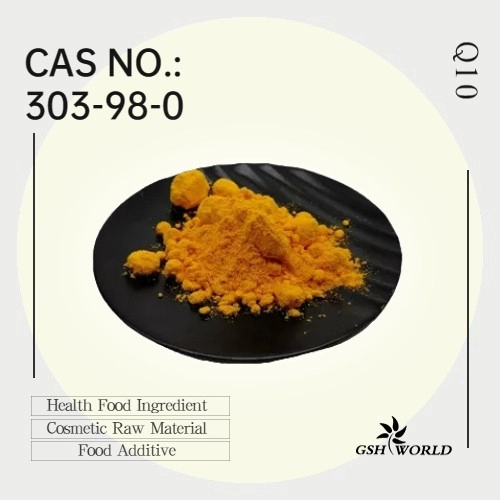
Coenzyme Q10 (CoQ10) is a fat-soluble molecule naturally present in human cells.
It serves as a core component of the mitochondrial electron-transport chain and as a potent antioxidant.
With advancing age or certain diseases, endogenous synthesis of CoQ10 declines, making supplementation a popular option.
So what actually happens in the body after you take CoQ10?
Enhanced energy metabolism
At the cellular level, supplementation first boosts energy metabolism.
Inside mitochondria, CoQ10 shuttles electrons efficiently through the “Q cycle”, building a proton gradient that drives ATP synthesis-the cell's primary energy currency.
People who often feel tired or run-down may notice better stamina and less muscle soreness;
the effect is especially pronounced in older adults and athletes.
One study showed that four years of combined CoQ10 and selenium markedly improved physical performance and quality of life in seniors.

Antioxidant protection
Next, its antioxidant actions gradually become apparent.
CoQ10 directly scavenges free radicals, curbs lipid peroxidation that damages cell membranes, and regenerates other antioxidants such as vitamins C and E, weaving a cooperative defense network.
This protection is particularly valuable for the cardiovascular system:
it lowers LDL oxidation and atherosclerotic risk.
Clinical trials demonstrate that CoQ10 supplementation eases chronic heart-failure symptoms and reduces major adverse cardiac events.
The same antioxidant activity damps systemic inflammation, lowering TNF-α and IL-6 levels and providing adjunctive relief in inflammatory conditions like rheumatoid arthritis and metabolic syndrome.
Targeted benefits
Specific populations gain additional, targeted advantages.
Patients with primary CoQ10 deficiency can see improvements-sometimes even delayed disease progression-in nephrotic syndrome, encephalopathy, and other manifestations when given high-dose supplementation.
Statin users, whose drug blocks the CoQ10 biosynthetic pathway, often report less myalgia and fatigue when they add CoQ10 to their regimen.

Yet there are caveats.
Its hydrophobic, large-molecular structure limits oral absorption;
much of an ordinary dose is excreted in feces, so higher intakes are required to reach therapeutic plasma levels.
Responses vary:
individuals with secondary CoQ10 deficiency may derive little benefit, and more clinical data are needed to confirm efficacy in neurodegenerative or renal diseases.
In healthy people, CoQ10 supplementation typically delivers more energy and stronger antioxidant defenses, while selected patient groups can experience targeted clinical gains.
To maximize its physiological value, use an evidence-based dose and tailor it to your personal health status.
References
[1] Crane F L. Biochemical functions of coenzyme Q10. Journal of the American College of Nutrition, 2001, 20(6): 591-598.
[2] Hernández-Camacho J D, Bernier M, López-Lluch G, et al. Coenzyme Q10 supplementation in aging and disease. Frontiers in Physiology, 2018, 9: 316577.
*Special note - This article is for informational purposes only and cannot replace a doctor's treatment diagnosis and advice. It should not be regarded as a recommendation or proof of efficacy of the medical products involved. If it involves disease diagnosis, treatment, and rehabilitation, please be sure to go to a professional medical institution to seek professional advice.

GSH Bio Tech is China Biological API Manufacturer. China Coenzyme Q10 powder suppliers & best Coenzyme Q10 raw material Factory.