

Citicoline Supplements
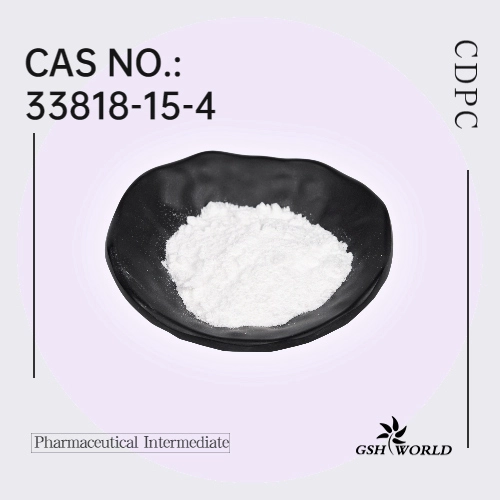
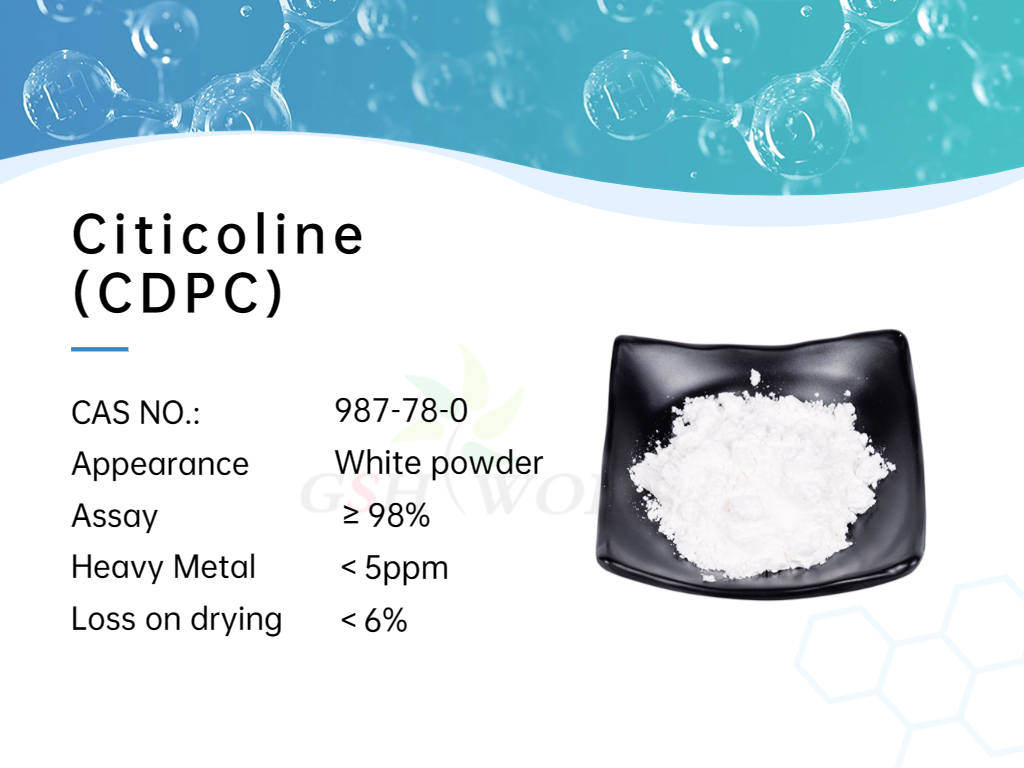
Citicoline, also known as cytidine diphosphate choline, is a single nucleotide composed of ribose, cytosine, pyrophosphate, and choline.
Phospholipids in the human body mainly include phosphatidylcholine, phosphatidylethanolamine, phosphatidylinositol and sphingomyelin.
As components of the cell membrane structure, they are essential for the function of the cell membrane, maintaining homeostasis, maintaining membrane-related enzyme activity, coupling receptors and intracellular signals, and nerve impulse conduction.
In the central nervous system, 80% of phospholipid synthesis is regulated by changes in citicoline concentration, and the formation of citicoline is the rate-limiting step in the synthesis of phosphatidylcholine through the Kennedy cycle.
Exogenous administration of citicoline can accelerate phospholipid synthesis, promote the rapid repair of damaged cell surfaces and mitochondrial membranes, and maintain the integrity of cell membranes and cellular energy metabolism.
Citicoline is a water-soluble compound with over 90% bioavailability.
After exogenous citicoline enters the body, it is quickly broken down into choline and cytidine, which cross the blood-brain barrier and re-synthesize citicoline in the central nervous system.
In healthy volunteers, choline and cytidine levels peaked at 30 min after injection, and their circulating concentrations continued to increase for 6 h thereafter.
Radiotracer studies have shown that orally administered citicoline is rapidly and completely absorbed and hydrolyzed within the intestinal wall into choline and cytidine, which enter various biosynthetic pathways that utilize citicoline as a mediator.
It has the same bioavailability and similar pharmacokinetic characteristics as intravenous citicoline.
Exogenous citicoline is widely distributed in the cortex, white matter and central gray matter nuclei.
It is eliminated extremely slowly and is excreted in small amounts every day through urine, feces and respiratory pathways.
Numerous experimental and clinical studies have confirmed that citicoline has neuroprotective effects and enhances neuroplasticity and neurorepair.
These effects are mainly achieved through the following mechanisms:
repairing neuronal cell membranes by increasing phosphatidylcholine;
stabilizing the neurotransmitter system by increasing the synthesis of acetylcholine and catecholamines;
reducing the accumulation of free fatty acids (FFA) in ischemic brain tissue; promoting brain tissue Energy Metabolism.
1. Neuron cell membrane repair
Brain tissue preferentially uses choline to synthesize acetylcholine, which limits the amount of choline available for phosphatidylcholine synthesis.
When the demand for acetylcholine increases or choline stores decrease, phospholipids in neuronal cell membranes are metabolically broken down to provide the necessary choline.
Exogenous administration of citicoline can promote the rapid repair of damaged cell membranes and mitochondrial membranes, maintain the integrity of neuronal cell membrane structure and function, and downregulate phospholipase to prevent apoptotic and necrotic cell death.
During the subacute phase of stroke, phospholipid synthesis is in great demand to support neurogenesis, axonal sprouting, and synaptogenesis.
Exogenous administration of citicoline accelerates phospholipid synthesis and neuronal repair.
Animals treated with citicoline during the subacute phase of stroke had better motor function recovery.
Compared with the normal saline control group, when rats with permanent middle cerebral artery occlusion were treated with citicoline for 24 hours and continued for 28 days, it could improve neurological function, enhance the complexity of dendrites, and increase the density of spines, suggesting that citicoline Alkali treatment improves neuronal plasticity in intact and functionally connected brain areas and promotes functional recovery.
2. Neurotransmitter production
Acetylcholine is a neurotransmitter that mediates learning, memory, and a variety of other neurological functions.
Impairment of cholinergic neural pathways and reduced acetylcholine release is an important contributor to cognitive impairment after stroke.
Citicoline acts as a choline donor in the biosynthesis of acetylcholine.
Animal studies in stroke models have shown that administration of citicoline increases the release of acetylcholine from cholinergic nerve terminals and improves the animals' attention, learning, and memory functions.
Dopamine is a neurotransmitter involved in movement, attention, and many other functions.
Citicoline increases dopamine synthesis and may inhibit dopamine reuptake in nerve terminals by promoting tyrosine hydroxylase activity.
In addition, animal experiments also found that citicoline can increase the release of norepinephrine in the cortex and hypothalamus of rats.
3. Reduce FFA accumulation
In ischemic neurons, cellular energy impairment and ATP depletion lead to the breakdown of membrane phosphatidylcholine into FFA.
FFA can mediate additional tissue damage.
FFA is metabolized into toxic oxidative metabolites and free radicals, and can also decouple mitochondrial oxidative phosphorylation.
Experimental studies have confirmed that exogenous administration of citicoline can stimulate phosphatidylcholine synthesis and reduce FFA release.
In addition, citicoline stabilizes lipid rafts carrying glutamate transporter proteins, thereby promoting the clearance of excitotoxic glutamate from the synaptic cleft.
4. Promote brain tissue energy metabolism
Citicoline has a protective effect on brain cell membrane ATPase and enzymes required for energy metabolism, especially succinate dehydrogenase and citrate synthase.
It also has a protective effect on protein and nucleic acid metabolism, and can increase RNA synthesis in specific brain areas.
Biosynthesis.
The glucose uptake rate in the cerebral cortex of rats with global cerebral ischemia is significantly reduced, and citicoline can significantly inhibit this reduction, suggesting that it can improve the energy metabolism of brain tissue under ischemia.
Experimental focal ischemia-reperfusion studies have also shown that citicoline can increase the energy metabolism rate under hypoxic conditions.
High-dose citicoline can significantly improve the neurological function of ischemic animals.
This effect is similar to that of citicoline.
Alkali is related to improving brain tissue metabolism and participating in brain cell membrane phospholipid synthesis.
*Special note - This article is for informational purposes only and cannot replace a doctor's treatment diagnosis and advice. It should not be regarded as a recommendation or proof of efficacy of the medical products involved. If it involves disease diagnosis, treatment, and rehabilitation, please be sure to go to a professional medical institution to seek professional advice.

GSH Bio Tech is China Biological API Manufacturer. China Citicoline powder suppliers & best Citicoline raw material Factory.