
Excellent detoxification ability of glutathione
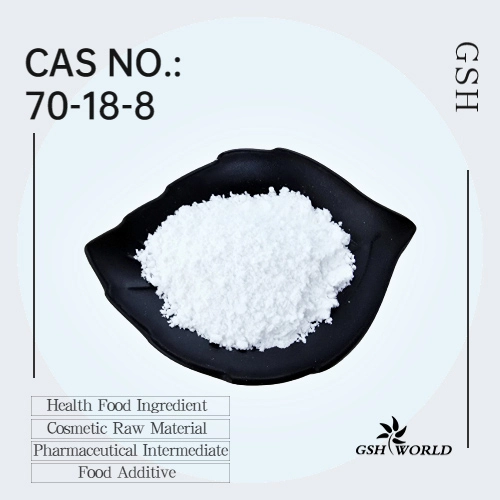
Glutathione (GSH) is a tripeptide containing γ-amide bonds and sulfhydryl groups.
It is composed of glutamic acid, cysteine and glycine and is present in almost every cell of the body.
Glutathione can help maintain normal immune system function and has antioxidant effects and integrated detoxification effects.
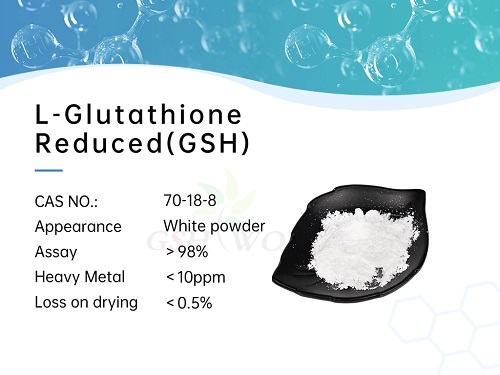
Glutathione is involved in the detoxification of exogenous and endogenous compounds.
Glutathione promotes plasma membrane transport of toxins by at least 4 different mechanisms, the most important of which is the formation of glutathione S-conjugates.
Low levels of glutathione have also been linked to long-term exposure to chemical toxins and alcohol, cadmium exposure, HIV/AIDS, macular degeneration, Parkinson's disease, and other neurodegenerative diseases.
Glutathione directly scavenges a variety of oxidants: superoxide anions, hydroxyl radicals, nitric oxide and carbon radicals.
Glutathione catalyzes detoxification of: hydroperoxides, peroxynitrite and lipid peroxides.
Another way glutathione protects cells from oxidants is through the recycling of vitamins C and E.
The antiviral effects of glutathione are non-specific, as reduced glutathione (GSH) inhibits the replication of various types of viruses, making glutathione a promising drug for the treatment of various viral infections.
Depletion of GSH is associated with many chronic degenerative diseases:
1. Neurodegenerative diseases (Alzheimer's disease, Parkinson's disease and Huntington's disease, amyotrophic lateral sclerosis, Friedreich's ataxia)
2. Lung diseases (chronic obstructive pulmonary disease, asthma and acute respiratory distress syndrome)
3. Immune diseases (HIV, autoimmune diseases)
4. Cardiovascular diseases (hypertension, myocardial infarction, cholesterol oxidation)
5. Chronic age-related diseases (cataracts, macular degeneration, hearing impairment, and glaucoma)
6. Liver disease
7. Cystic fibrosis
8. The aging process itself
GSH depletion is closely associated with loss of function due to disease and aging.
A representative study of community-dwelling older adults found that higher glutathione levels were associated with greater physical fitness, fewer illnesses, and higher self-rated health.
Given the importance of glutathione to health, many researchers have been looking for ways to increase levels within cells and mitochondria.
The obvious strategy is to administer glutathione directly.
This can be given in oral, topical, intravenous, intranasal or nebulized form.
Intravenous, inhaled, and intranasally ingested glutathione increases systemic levels.
Glutathione has a short half-life but has shown at least short-term efficacy in a variety of diseases.
Direct administration and stimulation of glutathione production have been used effectively in a variety of diseases:
Parkinson's disease, peripheral obstructive artery disease, cystic fibrosis, emphysema, chronic obstructive pulmonary disease, autism in prematurity, Contrast nephropathy, chronic otitis media, lead exposure, non-alcoholic fatty liver disease, and exercise-induced fatigue.
The latest research on anti-allergic agents shows that GSH can treat allergies caused by an imbalance of acetylcholine and cholinesterase in the human body and has anti-allergic effects.
*Special note - This article is for informational purposes only and cannot replace a doctor's treatment diagnosis and advice. It should not be regarded as a recommendation or proof of efficacy of the medical products involved. If it involves disease diagnosis, treatment, and rehabilitation, please be sure to go to a professional medical institution to seek professional advice.
Previous: importance of reduced glutathione to human body
Next: Acetyl glutathione increases absorption and availability

GSH Bio Tech is China Biological API Manufacturer. China glutathione powder suppliers & best glutathione raw material Factory.