How S-Adenosylmethionine (SAM-e) Safeguards Liver Health
The liver serves as a vital organ for metabolism and detoxification in the human body.
Nowadays, various liver diseases such as fatty liver disease, viral hepatitis, and drug-induced liver injury are becoming increasingly prevalent, sparking widespread interest in identifying safe and gentle approaches to liver care.
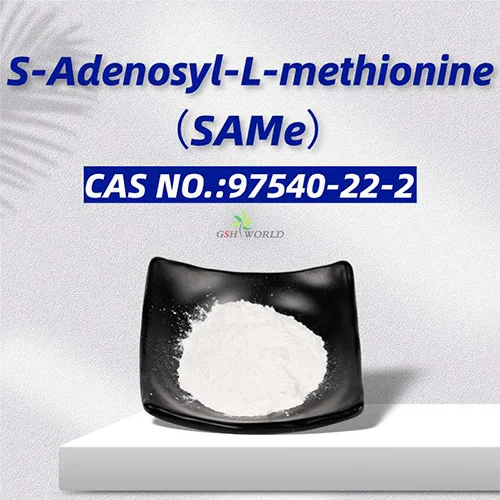
S-Adenosylmethionine (SAM-e) is a naturally occurring active substance synthesized by the human body itself, predominantly produced in the liver.
Multiple clinical studies have verified that SAMe supplementation exerts positive protective and regulatory effects on the liver.
The Significance of SAM-e
SAM-e acts as a primary methyl donor in the body and also functions as a precursor for glutathione, a powerful antioxidant—this forms the core mechanism underlying its liver-protective properties.
Liver injury triggers a marked drop in endogenous SAM-e levels, which in turn disrupts lipid metabolism and intensifies the strain on liver cells.
Supplementing with SAM-e elevates the liver's antioxidant capacity, alleviates oxidative stress and inflammatory responses, and mitigates persistent damage to hepatocytes caused by toxic substances.

Applicability to a Wide Range of Liver Conditions
Clinical research confirms SAM-e benefits numerous liver-related disorders.
For non-alcoholic fatty liver disease, it helps reduce hepatic fat accumulation and normalize liver lipid metabolism.
In cases of viral hepatitis and cholestatic liver disease, SAM-e assists in improving liver function markers including transaminases and bilirubin, and relieves discomforts such as pruritus brought on by cholestasis.
During oncological chemotherapy, SAM-e mitigates liver toxicity induced by chemotherapeutic agents, lowering the risk of unplanned chemotherapy discontinuation.
When combined with other supportive interventions, SAM-e also delivers favorable adjunctive outcomes for neonatal jaundice and alcoholic liver injury.
Safety Profile of SAM-e
SAM-e demonstrates excellent overall tolerability.
Available clinical data indicate that adverse reactions are mostly mild, transient gastrointestinal disturbances like bloating and mild diarrhea;
severe adverse events are extremely rare.
Oral formulations are widely adopted at present, with novel enteric-coated preparations continuously refined to boost absorption efficiency.
It is critical to clarify that SAM-e is categorized as a dietary nutritional supplement.
While it can be utilized for liver maintenance and adjunctive management of liver disorders, it cannot replace standard pharmaceutical treatment.
Individuals with liver disease should use SAM-e appropriately under the guidance of qualified healthcare professionals.
As relevant research advances, the therapeutic potential of SAM-e in liver health management will be further explored.
Reference
Baden K E R, McClain H, Craig E, et al. S-Adenosylmethionine (SAMe) for Liver Health: A Systematic Review[J]. Nutrients, 2024, 16(21): 3668.
*Special note - This article is for informational purposes only and cannot replace a doctor's treatment diagnosis and advice. It should not be regarded as a recommendation or proof of efficacy of the medical products involved. If it involves disease diagnosis, treatment, and rehabilitation, please be sure to go to a professional medical institution to seek professional advice.

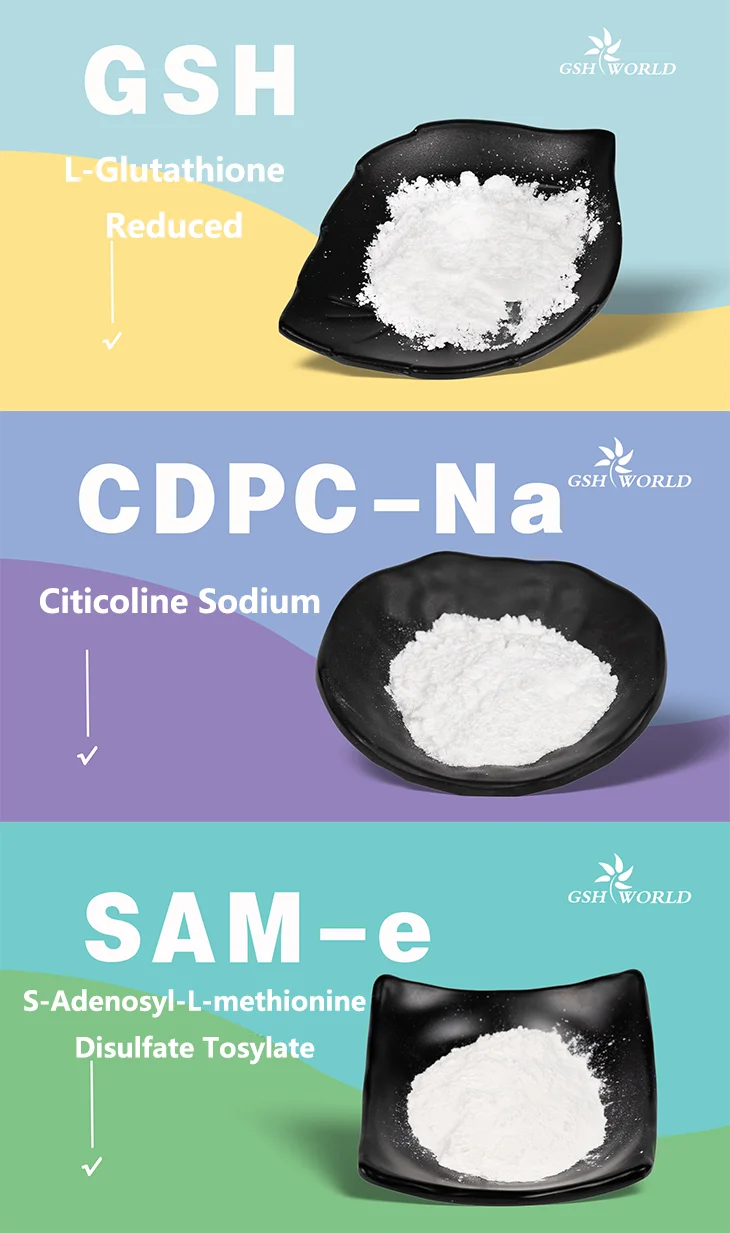
GSH Bio Tech is China Biological API Manufacturer. China S-Adenosylmethionine (SAM-e) powder suppliers & best S-Adenosylmethionine (SAM-e) raw material Factory.