Repair Effects of Exogenous Glutathione on Seeds
Seeds constitute the core germplasm resources for agricultural production. Long-term storage and abiotic stress can trigger intracellular oxidative imbalance in seeds, leading to massive accumulation of reactive oxygen species (ROS) and reactive carbonyl species (RCS).
These toxic substances damage mitochondrial structures, functional proteins and nucleic acids, resulting in seed vigor decline and reduced seedling emergence rate.
As a pivotal endogenous antioxidant in plants, glutathione (GSH) participates in the regulation of redox homeostasis throughout the entire processes of seed development, aging and germination.
Exogenous application of Glutathione can repair damaged seeds via multiple physiological pathways, representing a low-cost and highly efficient technical approach for improving seed vigor.
Alleviation of Oxidative Damage in Seeds
The primary repair target of exogenous Glutathione is the seed redox system, through which excess toxic metabolites are scavenged.
During seed aging and imbibition stages, leakage occurs in the mitochondrial electron transport chain, continuously producing ROS such as hydrogen peroxide and superoxide anion.
Meanwhile, glycolysis accumulates toxic reactive carbonyl compounds including methylglyoxal (MG).
After entering seed cells, exogenous Glutathione replenishes substrates for the AsA-GSH cycle, enhances the activities of antioxidant enzymes such as APX, GR and DHAR, and rapidly eliminates ROS.
In addition, it activates the glyoxalase system, which degrades MG with Glutathione as a co-substrate, reduces the formation of advanced glycation end products (AGEs), and mitigates oxidative damage to macromolecules.
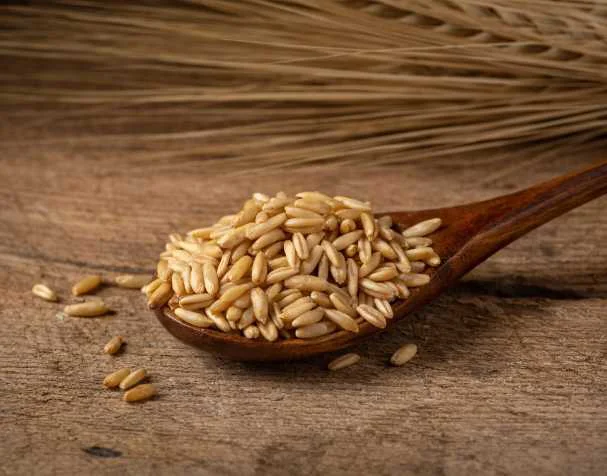
Relevant studies have verified that priming aged oat and smooth bromegrass seeds with Glutathione markedly alleviates seed oxidative injury, with germination percentage and seedling growth vastly superior to those of the untreated control group.
Reconstruction of Energy Metabolism System
Exogenous Glutathione repairs impaired mitochondria and reconstructs the energy metabolic system of seeds.
Mitochondria are the major site of ROS generation in seeds.
Aged seeds suffer from damaged mitochondrial cristae and lost respiratory enzyme activities, and insufficient energy supply serves as the fundamental cause of weak seedlings.
Exogenous Glutathione stabilizes mitochondrial membrane structure, decreases the level of intramitochondrial lipid peroxidation, restores the activities of cytochrome C oxidase and malate dehydrogenase, and ensures the normal operation of the tricarboxylic acid cycle and oxidative phosphorylation during seed imbibition, thereby supplying adequate energy for seed germination.
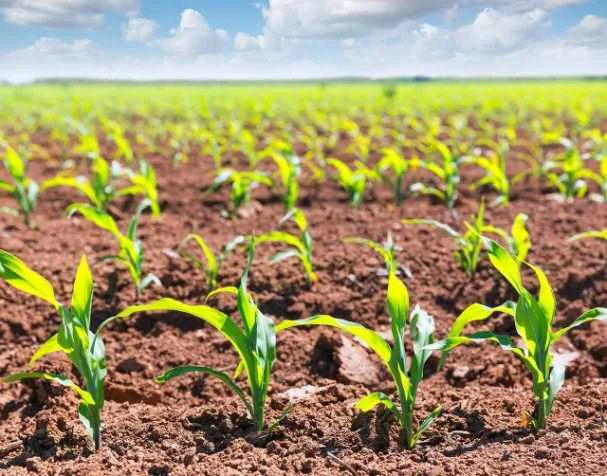
Under copper stress and drought stress, pre-treatment of pea and maize seeds with Glutathione significantly strengthens mitochondrial antioxidant capacity and effectively counteracts organelle damage induced by adverse environments.
Enhancement of Stress Tolerance
Exogenous Glutathione also regulates dormancy-related signaling pathways to relieve germination inhibition.
Abscisic acid (ABA) is the key phytohormone maintaining seed dormancy, while nitric oxide (NO) and GSH-derived S-nitrosoglutathione (GSNO) antagonize ABA signaling.
Exogenous Glutathione facilitates GSNO biosynthesis, mediates the degradation of the ABA inhibitory protein ABI5, accelerates ABA catabolism and breaks seed dormancy.
Furthermore, it modulates redox modification of cysteine residues in proteins, recovers the activities of hydrolases for storage reserves such as amylase, speeds up the mobilization of nutrients and promotes seedling establishment.
Field trials demonstrate that Glutathione seed priming improves emergence uniformity and seedling stress resistance of aged and stressed seeds, and alleviates autotoxic inhibition in cucumber and pumpkin seeds.
Exogenous Glutathione repairs damaged seeds from multiple dimensions including toxicant scavenging, organelle restoration and metabolic signal regulation, holding broad application prospects in the quality-improving pre-treatment of forage and crop seeds.
The underlying repair mechanisms of exogenous Glutathione in herbaceous plants remain to be further explored. Future research can combine molecular breeding with the optimization of seed priming technologies to fully exploit the application value of Glutathione in germplasm preservation and improved seed multiplication.
References
Sun M, Wang L, Sun X C, Sun X C, et al. Research Progress on the Regulation of Plant Seed Vigor by Glutathione (GSH)[J/OL]. Acta Agrestia Sinica, 2025-08-27.
*Special note - This article is for informational purposes only and cannot replace a doctor's treatment diagnosis and advice. It should not be regarded as a recommendation or proof of efficacy of the medical products involved. If it involves disease diagnosis, treatment, and rehabilitation, please be sure to go to a professional medical institution to seek professional advice.

GSH Bio Tech is China Biological API Manufacturer. China Glutathione powder suppliers & best Glutathione raw material Factory.